Truxor logo

Industry News • Flood Management • Watercourses • Drainage

Managing Waterways for Flood Resilience

3 January 2026

Why Watercourse Maintenance Matters

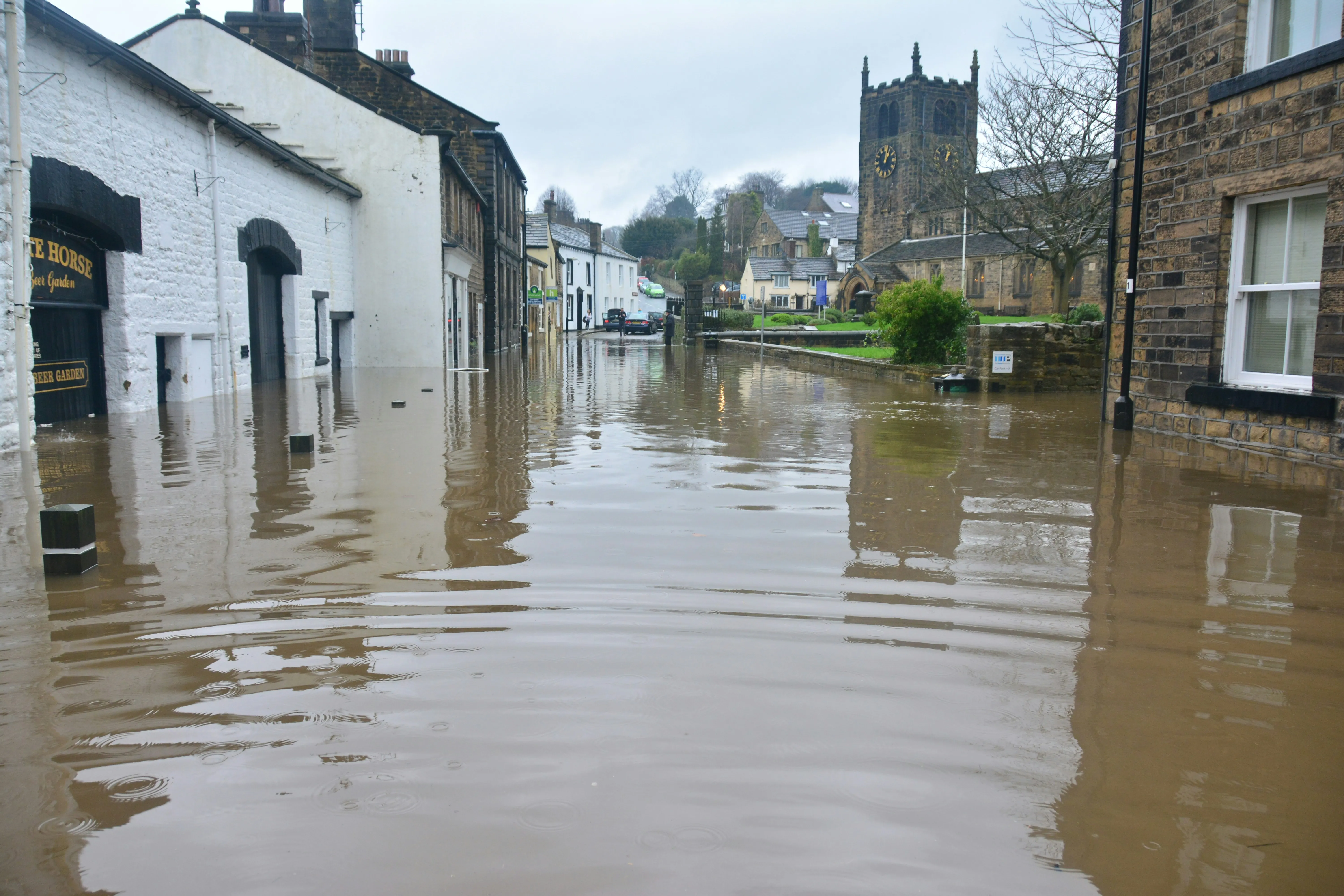
Flooding is influenced by many factors, including rainfall intensity, ground conditions, land use and the capacity of rivers and drainage networks. While maintenance alone cannot prevent flooding, well-maintained watercourses can help water move more efficiently and reduce localised restrictions. Ditches, drainage channels and smaller watercourses are an important part of the wider drainage network. Allowing these features to become blocked with vegetation, debris or accumulated sediment can reduce their ability to convey water during periods of heavy rainfall.
Why Watercourse Maintenance Matters

Common Causes of Reduced Flow

Over time, natural processes gradually reduce the capacity of many waterways. Sediment settles on the bed, reeds and aquatic vegetation spread into channels, while fallen branches and other debris can create partial blockages. In many locations these changes occur slowly over several years, making routine inspections valuable for identifying issues before they significantly affect water movement.

Supporting Natural Flood Management

Modern flood management increasingly combines engineered drainage with natural processes. Healthy wetlands, ponds and floodplain habitats can temporarily store water during periods of intense rainfall, slowing the movement of water downstream. Managing these habitats often involves balancing ecological value with hydraulic performance. Selective vegetation management and targeted desilting can help maintain water storage and flow while preserving important wildlife habitats.

Planning Maintenance Responsibly

Maintenance works should always be planned carefully, taking account of environmental considerations, seasonal restrictions and site-specific requirements. Timing operations outside sensitive nesting periods and retaining appropriate habitat where possible helps minimise ecological impacts. Regular inspections and planned maintenance are generally more effective than waiting until waterways become heavily obstructed, allowing issues to be addressed before they develop into larger and more costly problems.

A Proactive Approach

Every site is different, and no single maintenance strategy is suitable for every waterbody. However, routine inspections combined with appropriate vegetation management, debris removal and sediment control can help keep drainage assets functioning effectively while supporting long-term environmental management. As weather patterns continue to produce more frequent periods of intense rainfall, proactive maintenance forms one part of a broader approach to improving flood resilience across both rural and urban landscapes.
Back to news archive

Similar Stories

Related Articles

Need advice for your project?

If you'd like to discuss how Truxor equipment could support your water management work, we're here to help.

Have questions? Visit our FAQ