Truxor logo

Industry News • Blue-Green Algae • Fisheries • Water Quality

Blue-Green Algae: What Water Managers Need to Know This Summer

10 June 2026

What Is Blue-Green Algae?

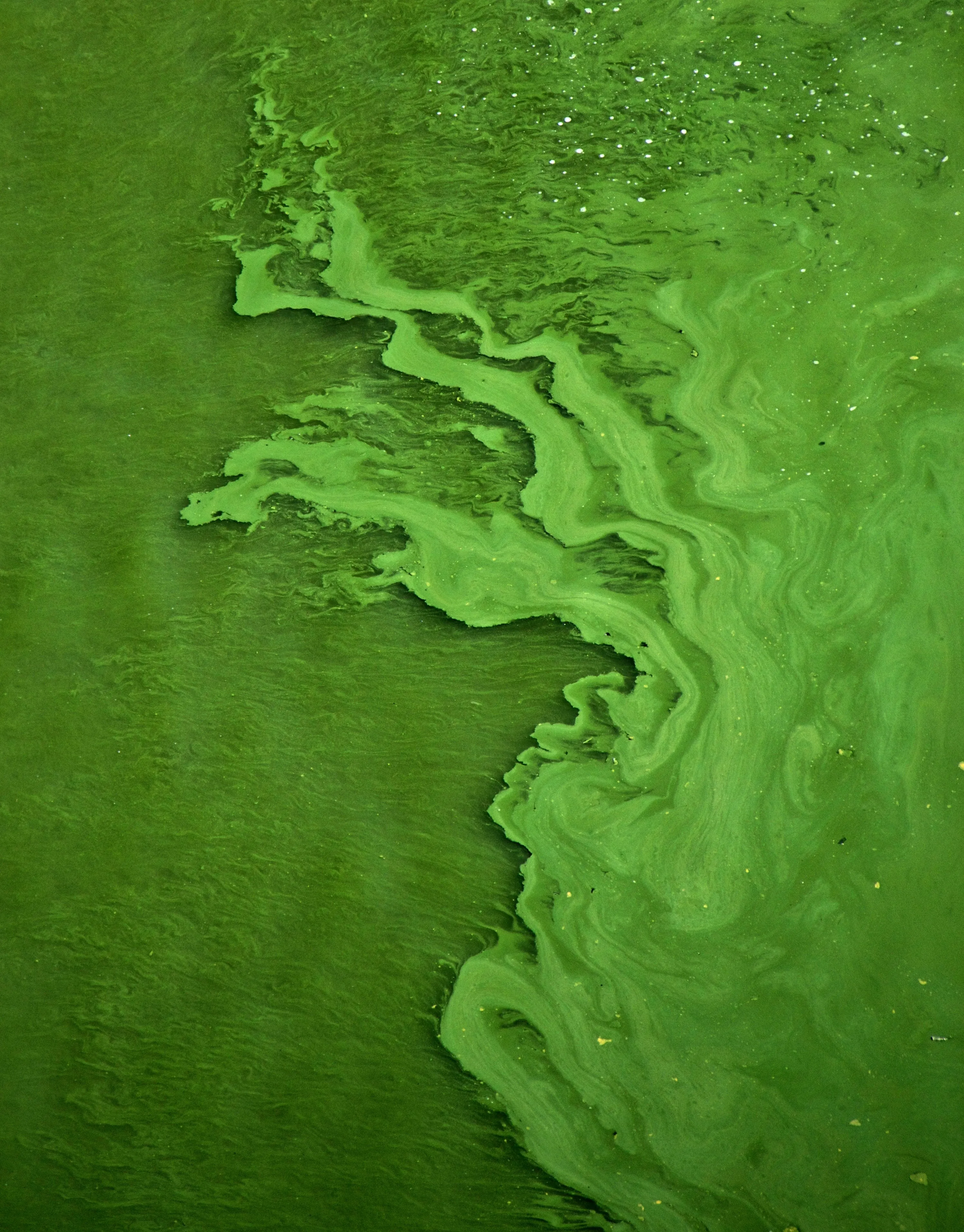
Despite its name, blue-green algae is not actually an algae but a group of naturally occurring cyanobacteria found in many lakes, ponds, reservoirs and slow-moving rivers throughout the UK. Under the right conditions—particularly warm weather, sunlight and elevated nutrient levels—these organisms can multiply rapidly to form visible blooms or surface scums.

Why It Matters

Large blooms can reduce water quality, lower oxygen levels as they decay and produce toxins that may affect people, pets, livestock and wildlife. Fish are not normally harmed directly by the algae themselves, but severe blooms can contribute to oxygen depletion, particularly during hot weather or overnight when oxygen levels naturally fall.

Recognising a Bloom

Blue-green algae can appear as bright green paint-like scums, floating mats or cloudy green water. Blooms vary considerably in appearance and may also appear blue, brown or turquoise depending on the species and stage of growth. If a bloom is suspected, avoid contact with the affected water and prevent pets from drinking or swimming in it until appropriate advice has been obtained.
Recognising a Bloom

Long-Term Management

While blooms cannot always be prevented, long-term management focuses on reducing the conditions that encourage them. Controlling nutrient inputs, improving water circulation where practical and managing excessive aquatic vegetation all contribute to healthier waterbodies. Regular monitoring during the warmer months allows potential blooms to be identified early so that appropriate action can be taken where necessary.
Back to news archive

Similar Stories

Related Articles

Need advice for your project?

If you'd like to discuss how Truxor equipment could support your water management work, we're here to help.

Have questions? Visit our FAQ